
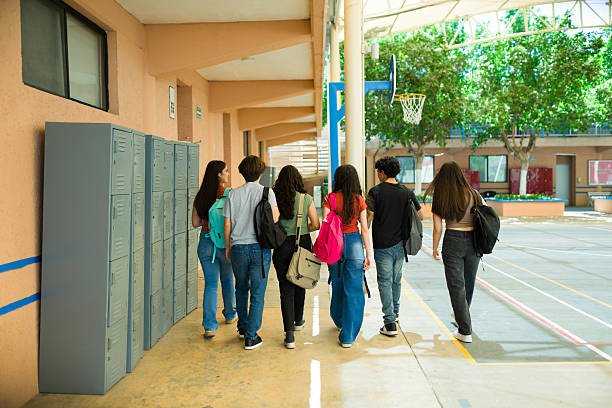

Beyond the classroom, extracurricular activities are crucial in determining a student’s overall growth. Even if classroom instruction imparts fundamental information and cognitive abilities, students often find their passions, gain confidence, and cultivate traits that equip them for challenges in the real world via extracurricular activities. Participating in debate contests, volunteering for community service, joining a sports team, or joining a music group are all examples of activities that provide kids a platform to acquire life skills that books cannot impart. They promote social contact, personal development, and the acquisition of useful skills—all essential for developing into a well-rounded person.
Finding and fostering students’ interests is one of the main advantages of extracurricular activities. While extracurricular activities enable students to delve deeper into particular interests, school classes often cover broad areas of information. A science-loving kid would join a robotics club, while a writer-passionate student might write for the school magazine. They get a greater sense of self-awareness as a result of this investigation, which enables them to discover skills they would not have noticed in the classroom. Through early exposure to areas of interest, these activities may eventually even influence job choices.
Engaging in extracurricular activities also imparts important time management and organizing skills. Students that participate in extracurricular activities like theater, athletics, or volunteer work in addition to their coursework develop time management and task prioritization skills. They improve their ability to create objectives and adhere to deadlines, two abilities that will help them both in their academic and future careers. Although juggling many obligations could appear difficult at first, it really aids students in becoming more disciplined and proactive in their daily schedule management.
Participating in extracurricular activities offers the chance to hone leadership and collaboration skills. Students get experience in good communication, listening to others, and dispute resolution whether they are organizing with teammates in a sport, performing with other actors in a play, or working with a committee for a school function. Cooperation, compromise, and respect for one another are lessons learned from these encounters. Students who assume leadership positions, like club president or team captain, develop self-assurance in their ability to make decisions, solve problems, and inspire others—skills that are critical for success in any field in the future.
Students who participate in extracurricular activities develop their social skills and form lasting connections. Students who join organizations or groups with similar interests get to know classmates from various backgrounds and develop connections based on a common love. Their confidence is increased, their capacity to adjust to other personalities is enhanced, and they gain empathy and emotional intelligence as a result of these social encounters. Extracurricular activities provide shy or introverted kids a safe space to go outside of their comfort zone and develop their social skills.
The emotional health of a student is also greatly enhanced by extracurricular activities. When academic pressure becomes too much to handle, sports, music, and the arts provide a constructive way to release tension. While artistic endeavors provide kids the opportunity to express themselves and work through their feelings, physical activities increase fitness and produce endorphins, which elevate mood. Having a fun pastime or interest outside of school keeps life in balance, avoiding burnout and promoting contentment and happiness.
These exercises also teach perseverance and the importance of hard effort. Students discover that persistence and constant work are often the keys to success, whether they are preparing for a debate competition, a play, or a sporting event. Through both successes and failures, they develop the capacity to accept disappointment amicably and overcome it with tenacity. When faced with academic obstacles and subsequently life’s ups and downs, this resilient mentality is quite helpful.
Participation in extracurricular activities indirectly improves academic achievement as well. According to studies, children who engage in scheduled activities tend to do better academically because they improve their organizational, attention, and discipline. Chess, theater, and debate are examples of activities that enhance cognitive skills including memory, critical thinking, and public speaking. These skills may lead to better performance in the classroom. Additionally, kids who participate in extracurricular activities at school tend to be more motivated and feel more a part of the school community, both of which enhance their academic experience in general.
Students’ perspectives on the world are also widened by these activities. Students are exposed to a variety of viewpoints, social concerns, and global difficulties via community service activities, cultural groups, or environmental efforts. By assisting others, they develop empathy, become aware of the needs of society, and acquire a feeling of duty as engaged citizens. Students learn from these experiences that education is about more than simply achieving one’s own goals; it’s also about making a positive impact on society.
Achievements in extracurricular activities might lead to future chances for a lot of pupils. Applicants who exhibit more than simply strong academic performance are often sought after by colleges and institutions. Participating in voluntary work, groups, or sports demonstrates initiative, leadership, and the capacity to manage many responsibilities. These experiences are sometimes particularly valued by scholarships, internships, and other opportunities because they demonstrate traits like commitment, collaboration, and enthusiasm outside of the classroom.
Additionally, extracurricular activities foster innovation and creativity. In contrast to a classroom’s regimented curriculum, these activities allow pupils to think creatively, try out novel concepts, and take calculated risks. Students may express their creativity and hone their special problem-solving abilities by choreographing a dance, devising a project for a scientific fair, or producing artwork for an exhibit. In the rapidly evolving world of today, when innovation and adaptation are essential, this innovative thinking is highly regarded.
Ultimately, by enhancing the educational experience, fostering life skills, and molding character, extracurricular activities have a profound impact on a student’s development. In addition to teaching concepts that go far beyond textbooks, they assist kids in developing a sense of self and forming enduring connections. Creating an atmosphere where students may develop their potential in all areas—intellectual, social, emotional, and physical—is the goal of a balanced education, which goes beyond academics.
The goal of encouraging kids to engage in extracurricular activities is to provide them with opportunity to discover various aspects of themselves, not to overburden their calendars. In addition to stressing the need of balance, parents and teachers may assist kids in finding activities that align with their interests and skills. By doing this, they develop well-rounded people who are capable intellectually as well as self-assured, sympathetic, imaginative, and prepared to make a significant contribution to society.
Extracurricular activities are a vital component of a student’s development into a competent and well-rounded individual; they are not only an adjunct to schooling. Students who actively participate in these activities develop lifelong memories, lifelong skills, and lifelong values that help them become people who are ready for the possibilities and challenges that lie ahead.